
Author: mj@5150design.net

30 Apr 2026
Multi-tenant cleaning

Managing Cleaning Across Multi-Tenant Buildings: What Actually Works

Multi-tenant cleaning

Managing a multi-tenant commercial building comes with a unique set of challenges. Tenants have different expectations, different operating hours, and different levels of sensitivity when it comes to cleanliness. What feels acceptable to one tenant may fall short for another. Over time, those differences can create friction—especially when cleaning standards are inconsistent across shared spaces.

For property managers in Middlesex County, NJ, maintaining a clean, well-run building isn’t just about appearance. It directly impacts tenant satisfaction, retention, and the long-term value of the property. The difficulty lies in creating a cleaning program that feels consistent to everyone, even when the building itself is anything but uniform.

The Challenge of Shared Spaces

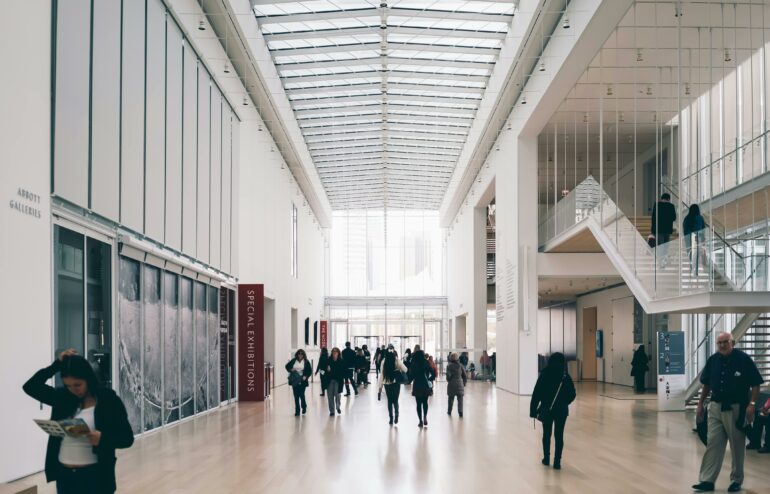
In a multi-tenant building, the most visible areas are often the ones shared by everyone. Lobbies, hallways, elevators, restrooms, and entryways all serve multiple tenants throughout the day. These spaces set the tone for the entire property, and they are where expectations tend to be the highest.

Unlike private suites, shared areas experience continuous traffic and a wide range of use. A lobby may host client meetings, deliveries, and casual foot traffic all within the same hour. Elevators see constant use. Restrooms must accommodate fluctuating demand throughout the day.

Without a structured cleaning approach, these spaces can quickly fall behind. Even small lapses—such as smudged glass, overflowing trash, or worn floors—become noticeable when viewed by multiple tenants with different expectations.

Why One-Size-Fits-All Cleaning Doesn’t Work

Many cleaning programs are built around fixed schedules and generalized task lists. While this approach may be sufficient in single-use facilities, it rarely works in multi-tenant environments.

Different areas of the building experience different levels of wear. High-traffic zones require more frequent attention, while lower-use areas may benefit from periodic deep cleaning rather than constant maintenance. Tenants themselves may also have varying needs based on their industry, hours of operation, and volume of visitors.

When cleaning programs treat all areas equally, resources are often misallocated. Some spaces receive more attention than necessary, while others don’t receive enough. The result is inconsistency—and inconsistency is what tenants notice most.

Consistency Is What Tenants Expect

From a tenant’s perspective, the expectation is simple: the building should feel consistently clean every time they walk through it.

They aren’t evaluating how often a space is cleaned or what tasks are being completed behind the scenes. They are reacting to what they see and experience in the moment. If the lobby looks polished in the morning but worn by the afternoon, or if restrooms vary in condition throughout the day, confidence in the building’s management begins to erode.

Consistency doesn’t mean cleaning everything constantly. It means maintaining a standard that holds up across time, traffic, and usage.

Aligning Cleaning With Building Activity

The most effective cleaning programs are designed around how the building is actually used. This starts with understanding patterns of activity.

When are peak entry times?
Which floors see the most traffic?
Are there tenants with extended hours or unique requirements?

Answering these questions allows cleaning to be scheduled strategically rather than uniformly. High-traffic areas can receive more frequent attention, while lower-traffic zones can be maintained through periodic service.

In many multi-tenant buildings, this also means incorporating daytime support. A day porter or on-site cleaning presence can address issues as they arise, keeping shared spaces consistent throughout the day instead of relying solely on after-hours cleaning.

Communication Between Management and Cleaning Teams

One of the most overlooked aspects of managing cleaning across multi-tenant buildings is communication. Property managers often serve as the bridge between tenants and service providers, which means feedback needs to be addressed quickly and clearly.

When tenants raise concerns, response time matters. Even minor issues can feel significant if they persist. A strong cleaning program includes a clear process for communication, ensuring that feedback is acknowledged and resolved before it becomes a recurring problem.

Regular check-ins between property management and the cleaning provider can also help identify trends before they escalate, allowing adjustments to be made proactively.

Balancing Shared and Private Spaces

While shared areas tend to receive the most attention, private tenant spaces also play a role in overall perception. Some tenants may manage their own cleaning, while others rely on building-provided services.

Creating clarity around responsibilities is essential. When expectations are clearly defined, it reduces confusion and helps ensure that all areas of the building meet an appropriate standard.

A well-managed cleaning program supports both shared and private environments without creating overlap or gaps.

Protecting Tenant Retention and Property Value

Cleanliness is one of the most visible indicators of how well a property is managed. Tenants may not always comment on it directly, but it influences how they feel about the building on a daily basis.

A consistently maintained environment supports tenant satisfaction, which in turn supports retention. It also enhances the overall perception of the property for prospective tenants, visitors, and stakeholders.

For property managers in Middlesex County, NJ, this is especially important in competitive commercial markets, where tenant experience plays a key role in long-term occupancy.

A Practical Approach That Works

Managing cleaning across a multi-tenant building isn’t about increasing frequency or adding more tasks. It’s about aligning the program with the realities of the space.

At Complete Care Maintenance, we work with property managers to develop cleaning programs that reflect how buildings actually operate. By focusing on high-traffic areas, strategic scheduling, and consistent standards, we help create environments that meet tenant expectations without unnecessary complexity.

Because in multi-tenant buildings, what matters most isn’t how cleaning is done—it’s how the building feels.

20 Apr 2026
Distribution center cleaning

How Cleaning Impacts Throughput in Logistics Facilities

Distribution center cleaning

In logistics and distribution environments, throughput is everything.

Facilities are designed to move products efficiently—from receiving to storage to shipping—with as little friction as possible. Equipment, layout, staffing, and technology are all optimized to support that goal. Yet one factor is often overlooked in the conversation around efficiency: the condition of the facility itself.

Cleaning may not seem like an operational priority, but in high-volume logistics facilities, it plays a direct role in how smoothly work gets done. When a facility is not properly maintained, small inefficiencies begin to appear. Over time, those inefficiencies add up, slowing movement, increasing risk, and ultimately impacting throughput.

The Link Between Cleanliness and Operational Flow

A logistics facility relies on clear, predictable pathways. Forklifts move continuously. Inventory is transferred across large floor areas. Workers rely on visibility, traction, and organization to perform their tasks safely and efficiently.

When floors are dusty, cluttered, or poorly maintained, movement becomes less predictable. Debris can interfere with wheels and equipment. Dust buildup reduces visibility in certain conditions. Even minor obstacles can force operators to slow down or adjust their routes.

These small interruptions don’t always stand out individually, but across an entire shift—or an entire facility—they create measurable delays.

Maintaining clean, unobstructed work areas supports smoother movement and allows operations to proceed as intended.

Floor Conditions and Equipment Performance

Flooring is one of the most critical surfaces in any distribution center, and it takes a constant beating. Between forklifts, pallet jacks, and foot traffic, wear and contamination are inevitable.

Without proper cleaning and maintenance, dust and debris accumulate in ways that directly affect equipment performance. Fine particles can interfere with wheels and moving parts, while spills or residue can reduce traction. Over time, these conditions increase wear on equipment and create additional maintenance demands.

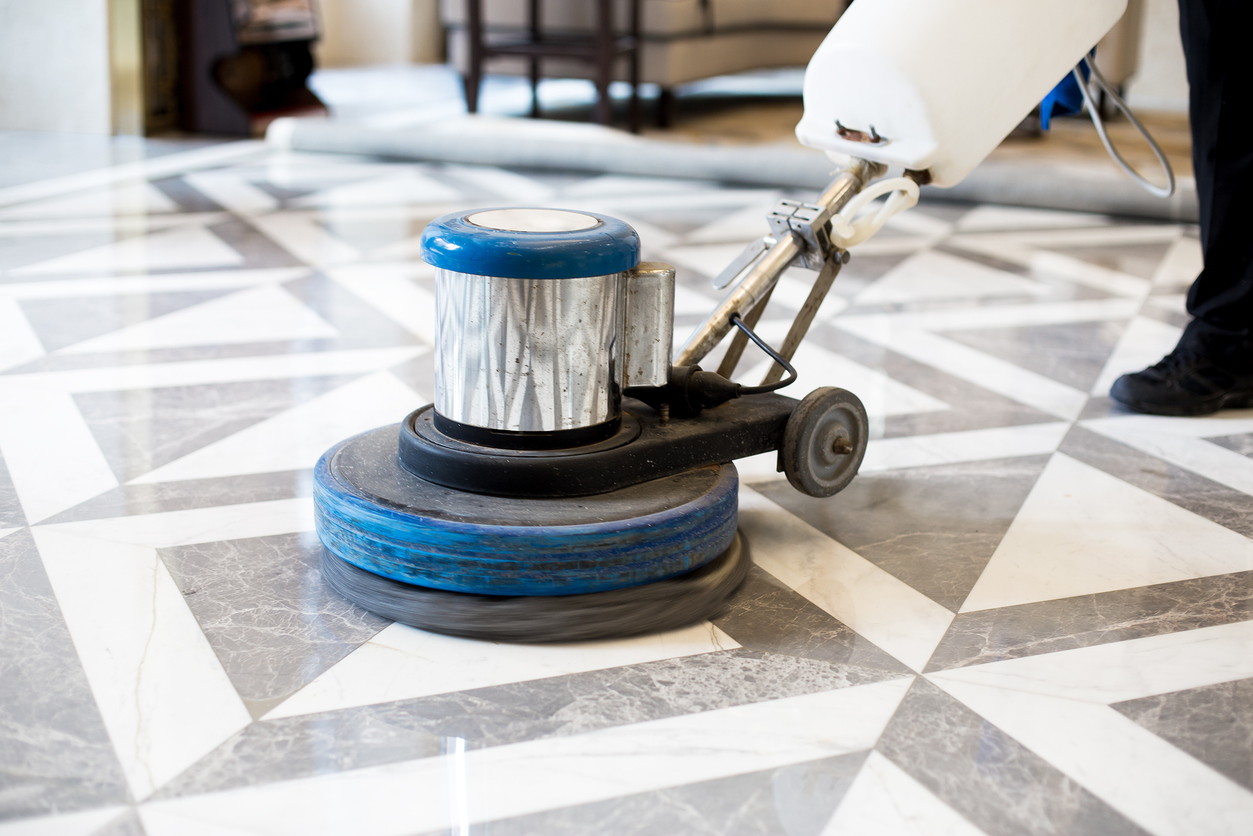
Regular floor cleaning, including machine scrubbing and debris removal, helps maintain consistent surface conditions. This not only supports safer operation but also allows equipment to perform at its intended level—without unnecessary strain or interruption.

Safety and Its Impact on Throughput

Safety is often discussed separately from efficiency, but in logistics facilities, the two are closely connected.

When floors are not properly maintained, the risk of slips, trips, and falls increases. Even near-miss incidents can cause operators to slow down or become more cautious in their movements. If an actual incident occurs, the impact on throughput is immediate—work stops, areas are restricted, and investigations begin.

A well-maintained facility reduces these risks. Clear walkways, clean floors, and properly managed debris create an environment where employees can move confidently and consistently.

In this sense, cleaning is not just about appearance—it’s about creating conditions that allow operations to continue without disruption.

Dust Control and Inventory Integrity

Dust is a constant challenge in distribution environments, especially in facilities that handle large volumes of product or packaging materials.

While it may seem like a minor issue, dust can affect more than just surfaces. It can settle on inventory, packaging, and equipment, leading to quality concerns or additional handling requirements. In some cases, products may need to be cleaned or repackaged before shipment, adding time and labor to the process.

Dust can also impact air quality, which affects both employee comfort and long-term facility conditions.

Implementing a cleaning program that includes high-dusting, floor maintenance, and routine debris removal helps control dust levels and supports smoother operations across the facility.

Reducing Downtime Through Preventative Cleaning

One of the less obvious ways cleaning impacts throughput is by reducing unplanned downtime.

When debris builds up or spills are not addressed promptly, small issues can escalate. Equipment may need to be taken out of service. Sections of the facility may need to be temporarily closed. Cleanup efforts may interrupt normal workflows.

Preventative cleaning minimizes these risks by addressing issues before they affect operations. Regular maintenance keeps the facility in a steady state, reducing the likelihood of disruptions that can slow or halt throughput.

Aligning Cleaning With Operational Demands

Not all areas of a logistics facility require the same level of attention, and not all cleaning should happen at the same time.

High-traffic zones, loading docks, and main travel paths often require more frequent maintenance than storage areas or administrative spaces. In some cases, daytime cleaning support may be necessary to maintain conditions during peak activity, while deeper cleaning tasks can be scheduled during off-hours.

An effective cleaning program is aligned with the way the facility operates. It supports workflow rather than interrupting it, ensuring that cleanliness contributes to efficiency instead of competing with it.

A Strategic Approach to Facility Performance

For logistics facilities throughout Middlesex County, NJ, throughput is a key performance metric. Every improvement in efficiency contributes to better overall performance.

Cleaning may not be the first factor considered in that equation, but it plays a meaningful role. A well-maintained facility supports movement, reduces risk, and minimizes disruptions—all of which contribute to smoother, more consistent operations.

At Complete Care Maintenance, we work with distribution centers and logistics facilities to develop cleaning programs that align with operational demands. By focusing on consistency, timing, and high-impact areas, we help ensure that the condition of the facility supports the work being done inside it.

Because in a high-volume environment, even small improvements can have a measurable impact.

10 Apr 2026
Medical facility cleaning

Designing a Cleaning Program for Multi-Provider Medical Offices

Medical facility cleaning

Multi-provider medical offices are inherently more complex than single-provider practices. With multiple physicians, overlapping schedules, shared exam rooms, and steady patient flow, these environments require more than a standard cleaning routine. They require a cleaning program that is intentionally designed around how the facility actually operates.

In Middlesex County, NJ, many healthcare facilities function this way, and it’s where generic cleaning approaches tend to fall short. When multiple providers share space, consistency becomes harder to maintain—and far more important to get right.

Understanding the Challenges of Shared Spaces

In a multi-provider setting, no space is truly static. Exam rooms are used back-to-back by different providers, waiting areas are constantly cycling patients, and restrooms experience significantly higher traffic than in smaller offices.

This level of shared use creates more opportunities for inconsistencies in cleaning. Without a structured approach, some areas may receive more attention than others, depending on usage patterns or timing. Over time, this leads to uneven results—spaces that feel clean alongside others that feel overlooked.

A successful cleaning program must account for this shared environment and ensure that every part of the facility meets the same standard, regardless of who is using it.

Why Standard Cleaning Programs Fall Short

Many commercial cleaning programs are built on fixed schedules and generalized checklists. While that approach may work in lower-traffic office environments, it doesn’t translate well to healthcare settings with multiple providers.

Different areas within the same facility often require different levels of attention. High-touch surfaces, such as door handles, reception counters, and exam tables, need more frequent disinfection than administrative areas. Waiting rooms and restrooms may require ongoing maintenance throughout the day, not just after-hours cleaning.

When these differences aren’t reflected in the cleaning plan, the result is a program that technically checks the boxes but fails to deliver consistent, high-quality results.

Aligning Cleaning With Patient Flow

An effective cleaning program starts with understanding how patients move through the facility. From the moment they enter, patients interact with specific touchpoints that shape both their experience and their perception of cleanliness.

Reception areas, waiting rooms, exam rooms, and restrooms all play a role, but they are not used equally. Some areas see constant traffic, while others are used intermittently. Designing a cleaning program around these patterns ensures that resources are focused where they are needed most.

This approach not only improves cleanliness but also enhances patient confidence, which is critical in any healthcare environment.

The Importance of Timing and Coverage

In multi-provider offices, timing is just as important as the tasks themselves. Cleaning must support the operation of the facility without disrupting it, which often requires a layered approach.

After-hours cleaning remains essential for deep cleaning and detailed work, but many facilities also benefit from daytime support. Day porters or scheduled touchpoint cleanings during peak hours can help maintain consistency throughout the day, especially in high-traffic areas.

Without this balance, even well-cleaned spaces can begin to decline between service periods.

Maintaining Consistency Across Providers

One of the biggest challenges in multi-provider offices is ensuring that every room and department meets the same standard. Without a structured cleaning program, quality can vary depending on usage, scheduling, or individual expectations.

A well-designed program removes that variability by establishing clear standards and consistent procedures across the entire facility. This ensures that patients receive the same experience regardless of which provider they are seeing or which room they are in.

Consistency not only improves appearance but also reinforces professionalism and trust.

Supporting Compliance and Patient Confidence

Healthcare environments require a higher level of attention when it comes to sanitation and perception. Patients may not be familiar with specific cleaning protocols, but they are highly aware of how a space feels.

A clean, well-maintained facility signals organization, attention to detail, and a commitment to patient safety. Even minor inconsistencies can create doubt, particularly in a setting where patients may already feel uncertain or vulnerable.

A properly designed cleaning program supports both compliance requirements and patient confidence by ensuring that standards are consistently met.

Why Customization Matters

Every multi-provider medical office operates differently. Patient volume, specialties, layout, and hours of operation all influence how the space should be cleaned.

A one-size-fits-all approach rarely delivers the level of consistency required in healthcare settings. Instead, cleaning programs should be tailored to reflect the specific needs of the facility, adjusting for both daily operations and long-term maintenance.

Customization allows the cleaning program to evolve alongside the practice, ensuring it continues to meet expectations as the facility grows or changes.

A Better Approach to Medical Office Cleaning

At Complete Care Maintenance, we work with healthcare providers throughout Middlesex County, NJ to design cleaning programs that align with the realities of multi-provider environments. Our focus is on creating structured, adaptable systems that support both patient experience and operational efficiency.

When a cleaning program is designed correctly, it becomes part of the foundation of the practice. Patients feel comfortable, staff can focus on care, and the environment consistently reflects the professionalism of the providers within it.

In a multi-provider medical office, that level of consistency isn’t accidental—it’s the result of a plan built with intention.

31 Mar 2026
Commercial Cleaning

Why Your Commercial Cleaning Program Isn’t Delivering

Commercial Cleaning

If your facility is being cleaned regularly but still doesn’t feel clean, you are not imagining it. This is one of the most common challenges we see across commercial buildings in Middlesex County, NJ. On paper, everything appears to be in place. Cleaning is scheduled, crews are showing up, and tasks are being completed. Yet the space never quite reaches the standard you expect.

Floors lose their shine faster than they should, dust returns within days, and restrooms feel inconsistent from one visit to the next. High-touch areas often do not feel as clean as they should, especially in high-traffic environments. In most cases, the issue is not a lack of effort. The issue is a lack of structure.

Many commercial cleaning programs are built around generic checklists rather than the specific needs of the facility. These programs focus on completing tasks instead of delivering consistent outcomes. Over time, this creates a gap between what is being done and what is actually required to maintain the space properly. That gap is where performance begins to decline.

The Hidden Problem: Cleaning That Isn’t Aligned With Your Space

No two facilities operate the same way. A corporate office with predictable foot traffic has very different cleaning requirements than a medical practice, warehouse, or multi-tenant building. Despite this, many cleaning programs apply a one-size-fits-all approach across all environments.

This is where things begin to break down.

High-traffic areas wear down more quickly, entryways accumulate debris faster, and shared spaces such as breakrooms and restrooms require more frequent attention. When the cleaning plan is not aligned with how the building is actually used, results become inconsistent. Over time, the facility begins to feel used rather than maintained.

This issue is especially noticeable in Middlesex County, where seasonal changes add another layer of complexity. Winter introduces salt, slush, and moisture that can damage floors and carpets. Spring brings pollen and fine dust that settle on surfaces quickly. Summer increases humidity and foot traffic, which can impact both cleanliness and indoor air quality. A static cleaning plan simply cannot keep up with these changing conditions.

Why “It Looks Fine” Isn’t Good Enough

One of the biggest challenges in commercial cleaning is that problems rarely appear all at once. Instead, they develop gradually over time.

A missed detail, slightly rushed service, or a surface that does not receive consistent attention may seem insignificant on its own. However, when these small issues accumulate, they begin to affect how the entire facility feels.

Clients may not always be able to point to a specific issue, but they notice the difference. Employees may not voice complaints directly, yet they experience it every day. In professional environments, especially medical offices and client-facing spaces, perception matters.

Cleanliness is not just visual. It is psychological. A space that feels clean supports confidence, productivity, and trust. A space that feels inconsistent creates subtle but meaningful friction.

What a Structured Cleaning Program Looks Like

A high-performing commercial cleaning program is not built around a checklist alone. It is built around how your facility actually functions.

This includes understanding traffic patterns, identifying high-use areas, and adjusting service frequency based on real-world conditions. It also involves setting clear standards for outcomes, not just tasks.

For example, instead of simply scheduling floor cleaning, a structured program ensures that floors consistently maintain their appearance over time. Instead of checking off restroom cleaning, it ensures that restrooms feel clean and fully stocked at all times of day. High-touch surfaces are not just included in a list; they are maintained with a frequency that reflects how often they are used.

Just as importantly, a structured program includes oversight. Quality control, communication, and accountability are built into the process so that small issues are identified and corrected early.

The Role of Consistency and Adaptability

Consistency is what separates an average cleaning service from a reliable one. When a cleaning program is properly structured, the results should feel the same every day, regardless of who is performing the work.

At the same time, adaptability is equally important. Facilities are not static environments. Staffing levels change, business activity fluctuates, and seasonal conditions impact how spaces are used. A strong cleaning partner recognizes these changes and adjusts accordingly without requiring constant direction.

This balance between consistency and adaptability is what allows a facility to not only look clean, but feel clean over time.

Choosing the Right Cleaning Partner in Middlesex County, NJ

If your facility never quite feels as clean as it should, it may be time to look beyond surface-level service and evaluate the structure behind it.

The right commercial cleaning partner will take the time to understand your facility, align services with how your space is actually used, and implement a system that delivers consistent, measurable results. They will communicate clearly, adapt as needed, and take ownership of performance.

For businesses throughout Middlesex County, NJ, the goal is not just to have cleaning completed. The goal is to create an environment that consistently supports your employees, your operations, and the impression you make on everyone who walks through your doors.

Because when a facility is cleaned the right way, it does more than look good. It feels right.

20 Mar 2026
window cleaning

How to Evaluate a Commercial Cleaning Company

window cleaning

Most businesses do not think about their cleaning company until something goes wrong. A complaint comes in, a restroom is not serviced, trash is left behind, or floors begin to look neglected. By the time these issues become noticeable, you are already in a reactive position.

Reacting to cleaning problems often leads to unnecessary disruption, as you are forced to address issues that have likely been developing over time. A more effective approach is to evaluate your cleaning company before problems surface. In commercial cleaning, consistency is the foundation of a successful program.

The Illusion of “Everything Is Fine”

In many facilities, cleaning issues do not appear immediately. At first glance, everything seems to be functioning as expected. The building looks presentable, and there are no obvious concerns.

However, small inconsistencies often begin to emerge. Some days the space feels cleaner than others, and certain areas receive more attention than others. Over time, the overall standard begins to fluctuate.

This type of inconsistency is one of the earliest indicators that a cleaning program is not as stable as it should be. In high-traffic environments throughout Middlesex County, NJ, even minor inconsistencies can quickly become noticeable.

What Consistency Really Looks Like

A strong commercial cleaning program produces reliable results every time, not just most of the time. True consistency means that floors maintain their appearance week after week, restrooms feel equally clean at all times, high-touch surfaces are consistently maintained, and no area is overlooked.

Consistency does not happen by accident. It requires a structured process, proper training, and ongoing oversight. If the quality of cleaning depends on who shows up on a given day, the system itself is not strong enough.

Communication Is a Leading Indicator

One of the most effective ways to evaluate a cleaning company is by observing how they communicate. When something requires attention, it is important to know how quickly it is addressed, whether there is a clear point of contact, and whether feedback leads to meaningful action.

Poor communication is often a sign of deeper operational challenges. Strong cleaning providers take a proactive approach by addressing potential issues early, setting clear expectations, and following through consistently.

Visibility and Transparency

Visibility is another critical factor when evaluating a cleaning partner. You should have a clear understanding of what services are being performed, how often they are completed, and what standards are being maintained.

Without this level of transparency, it becomes difficult to assess performance objectively. When performance cannot be measured, it cannot be improved.

Adaptability Matters More Than You Think

Facilities are not static environments. Staff levels change, workflows evolve, traffic patterns shift, and seasonal conditions impact how spaces are used.

A rigid cleaning program will struggle to keep pace with these changes. The most effective commercial cleaning companies recognize when adjustments are needed and make them proactively, without requiring constant direction.

For businesses in Middlesex County, where seasonal conditions can significantly impact facility needs, adaptability is especially important.

Accountability Is the Difference Maker

Every successful cleaning program is built on accountability. There should be clearly defined standards, consistent performance monitoring, and a reliable process for addressing issues when they arise.

Without accountability, small issues tend to repeat and grow over time. With accountability in place, problems are resolved quickly, often before they are even noticed.

Choosing the Right Partner

Commercial cleaning is often treated as a commodity, but it should not be. The right cleaning partner plays a meaningful role in maintaining a professional environment, creating strong first impressions, extending the life of facility assets, and supporting overall operational consistency.

For businesses throughout Middlesex County, NJ, the goal is not simply to hire a cleaning company. The goal is to establish a system that operates smoothly, consistently, and without disruption.

When cleaning is done correctly, it fades into the background. And that is exactly how it should be.

10 Mar 2026
business cleaning NJ

The Hidden Cost of Inconsistent Cleaning in Commercial Facilities

business cleaning NJ

Most businesses think of cleaning as a fixed expense. It is built into the budget, scheduled routinely, and expected to operate quietly in the background. As long as the space looks reasonably presentable, it rarely becomes a point of focus.

However, when cleaning is inconsistent, the true cost does not show up on an invoice. It appears in ways that are less obvious but far more impactful. Across commercial facilities in Middlesex County, NJ, inconsistent cleaning affects daily operations, employee experience, and long-term maintenance costs in ways that often go unnoticed until the problem has grown.

Small Inconsistencies Add Up Over Time

Inconsistent cleaning rarely presents itself as a single, obvious failure. Instead, it develops gradually through small lapses in execution. A floor may not be maintained as thoroughly as it should be, allowing wear to set in sooner than expected. Dust begins to accumulate in areas that are not addressed consistently. Restrooms fluctuate in cleanliness depending on the day or the crew assigned.

Individually, these issues may seem minor or easy to overlook. Over time, however, they begin to compound. The overall standard of the facility starts to decline, and what was once a clean, well-maintained space begins to feel uneven and unreliable. This gradual shift is often the first sign that a cleaning program lacks the structure needed to deliver consistent results.

The Impact on Employee Productivity

One of the most overlooked consequences of inconsistent cleaning is its effect on employees. A workspace that feels clean and well-maintained supports focus, comfort, and a sense of professionalism. Employees are more likely to take pride in their environment and contribute to keeping it organized.

When cleanliness becomes inconsistent, it introduces subtle but persistent distractions. Employees notice when restrooms are not properly maintained, when shared spaces feel neglected, or when dust and clutter begin to accumulate. These issues may not always be formally reported, but they shape how people experience the workplace every day.

In office environments, healthcare facilities, and other shared commercial spaces throughout Middlesex County, these small disruptions can gradually impact morale and productivity. Over time, the environment begins to feel less supportive and more frustrating, even if no single issue stands out.

First Impressions Are Not Forgiving

For many businesses, the condition of the facility directly influences how clients, patients, and visitors perceive the organization. Cleanliness is often interpreted as a reflection of professionalism, attention to detail, and overall quality.

An inconsistent cleaning program creates an unpredictable experience. One visit may leave a positive impression, while another may feel slightly off. Even if the issue is subtle, people notice the difference. Entryways, restrooms, and high-traffic areas are especially critical, as they tend to shape first impressions quickly.

In competitive markets, these details matter. A facility that feels consistently clean reinforces trust and credibility. A space that feels inconsistent can quietly undermine both, even if the core services of the business are strong.

Increased Wear and Long-Term Costs

Beyond perception, inconsistent cleaning also accelerates physical wear within the facility. Floors that are not properly maintained require refinishing or replacement sooner than expected. Carpets degrade more quickly when dirt and debris are allowed to build up. Surfaces become more difficult to clean over time as residue accumulates.

What begins as a minor inconsistency in maintenance can eventually lead to significant repair or replacement costs. In many cases, these expenses could have been avoided through a more consistent and structured cleaning program.

This is where the financial impact becomes clear. Inconsistent cleaning does not reduce costs—it shifts them, often into larger and less predictable expenses in the future.

Why Inconsistency Happens

In most situations, inconsistent cleaning is not caused by a lack of effort. It is the result of a system that is not designed to produce reliable outcomes. Many cleaning programs rely on generic checklists that do not reflect the specific needs of the facility. Training may vary between team members, and oversight may be limited or inconsistent.

Communication gaps can further complicate the issue. Without a clear process for addressing concerns or adjusting services, small problems persist longer than they should. Over time, variability becomes the norm rather than the exception.

Without a structured approach that prioritizes consistency, even well-intentioned cleaning efforts will produce uneven results.

What to Look for in a Reliable Cleaning Program

A strong commercial cleaning program is designed to eliminate variability by aligning services with how the facility actually operates. This begins with understanding traffic patterns, identifying high-use areas, and adjusting service frequency accordingly.

Equally important is accountability. Clear standards should be established, performance should be monitored regularly, and there should be a defined process for addressing issues quickly and effectively. Communication should be straightforward, with a clear point of contact and consistent follow-through.

When these elements are in place, cleaning becomes predictable. That predictability is what creates a consistently clean environment.

A Better Approach for Middlesex County Businesses

For businesses throughout Middlesex County, NJ, the goal is not simply to complete cleaning tasks. The goal is to support the overall function of the facility through consistent, reliable maintenance.

A well-structured cleaning program protects your investment, supports your team, and strengthens the experience of everyone who enters your space. It reduces long-term costs, minimizes disruptions, and allows your business to operate without unnecessary friction.

When cleaning is done correctly, it fades into the background. But when it is inconsistent, its impact is felt everywhere.

01 Mar 2026
Allergy Season

Preparing Your Facility for Allergy Season

Allergy Season

In Middlesex County, NJ, Spring doesn’t just bring warmer weather. It brings pollen. It brings fluctuating humidity. It brings dust circulation. And for many employees, patients, and visitors, it brings allergy symptoms that affect productivity, comfort, and overall well-being.

If your facility isn’t properly prepared, allergy season can quietly impact your workforce and your clients — long before anyone connects the dots to your indoor environment.

Why Allergy Season Impacts Commercial Buildings

During Spring, pollen levels spike across Central New Jersey. Every time someone opens a door, walks across the parking lot, or enters your building, microscopic allergens travel with them.

They settle into:

  • Carpets

  • Upholstered furniture

  • HVAC systems

  • Window ledges

  • Workstations

  • Entryway mats

Once inside, they circulate.

If not addressed proactively, allergens accumulate in your building for months — triggering symptoms like sneezing, headaches, congestion, and fatigue.

In office environments, that means lower productivity.
In medical facilities, it means patient discomfort.
In retail or commercial spaces, it affects the overall experience.

Indoor Air Quality Starts with Cleaning

Most facility managers think about air filters when they think about indoor air quality.

But floors and surfaces play an equally important role.

Carpets act like giant filters. They trap pollen, dust, and debris — but if they aren’t regularly extracted, they release those particles back into the air with foot traffic.

Hard floors collect fine dust that daily sweeping may miss.
Vents accumulate buildup that circulates through HVAC systems.
High-touch surfaces gather particles invisible to the eye.

Professional commercial cleaning services during allergy season focus on removal — not just surface appearance.

High-Traffic Areas Need Special Attention

Entryways are the first line of defense during allergy season.

In Middlesex County, where Spring often means wet conditions mixed with pollen-heavy air, contaminants get tracked indoors quickly.

A proactive cleaning plan should include:

  • Entry mat cleaning and rotation

  • Frequent vacuuming with HEPA-filter equipment

  • Floor scrubbing near entrances

  • Regular dusting of horizontal surfaces

These aren’t cosmetic services. They are air quality management strategies.

Why Medical Offices Must Be Especially Vigilant

For healthcare facilities, allergy season requires even more diligence.

Patients entering medical offices are already sensitive to environmental triggers. A dusty waiting room or poorly maintained ventilation system can heighten discomfort — and perception.

Medical office cleaning in NJ during allergy season should prioritize:

  • High-touch surface disinfection

  • Vent and register detailing

  • Restroom air freshness

  • Carpet extraction in waiting areas

When patients feel physically comfortable, trust increases. When they struggle with environmental irritants, anxiety rises.

Clean air is part of patient care.

The Hidden Productivity Cost of Allergens

Allergy symptoms don’t just affect comfort — they affect performance.

Congestion and headaches reduce focus. Fatigue lowers efficiency. Sneezing and irritation increase distractions.

For businesses throughout Middlesex County, this can translate into:

  • Reduced employee productivity

  • Increased sick days

  • Lower morale

A professionally maintained environment supports healthier work conditions — especially during peak pollen months.

Deep Cleaning as a Preventative Strategy

If your facility recently scheduled a Spring deep cleaning, you’re already ahead.

If not, allergy season is a strong reason to consider one.

Carpet extraction removes trapped allergens.
Machine scrubbing lifts embedded debris from hard floors.
High-dusting eliminates particles from vents and upper surfaces.

Professional deep cleaning services act as a reset before allergens have months to accumulate.

Spring Maintenance Is Not Just About Appearance

It’s easy to think of cleaning as visual.

But during allergy season, it’s functional.

Your facility’s cleanliness directly influences air quality, employee wellness, and client experience.

In competitive markets like Edison, New Brunswick, Woodbridge, and throughout Middlesex County, NJ, maintaining a healthy indoor environment is part of maintaining a professional reputation.

Prepare Your Facility Before Allergy Season Peaks

Don’t wait until complaints start.

Proactive cleaning reduces allergen buildup before it becomes noticeable.

Complete Care Maintenance provides commercial cleaning and deep cleaning services throughout Middlesex County designed to improve indoor air quality and support healthier facilities during allergy season.

Because a clean building doesn’t just look better.

It breathes better.

10 Feb 2026
spring cleaning

Now’s The Time to Schedule Spring Cleaning for Your Facility

spring cleaning

Winter has a way of settling in — not just outside, but inside your building.

Over the past several months, salt has been tracked across floors. Dust has circulated through HVAC systems. High-traffic areas have absorbed heavy use. Windows have endured condensation and residue. Carpets have quietly collected everything from road grime to allergens. And while routine janitorial services keep your facility presentable, they aren’t designed to reset it.

That’s where Spring comes in.

For businesses throughout Middlesex County, NJ, now is the ideal time to schedule a professional deep Spring cleaning — not just for aesthetics, but for performance, health, and long-term maintenance.

Winter Leaves More Behind Than You Think

By the time March and April arrive, your building has endured months of stress. Road salt breaks down floor finishes. Moisture dulls hard surfaces. Dust and debris settle into corners that daily cleaning doesn’t fully address. High-touch surfaces accumulate layers of use that standard wipe-downs can’t completely eliminate.

You may not notice it day to day. But your employees do. Your clients do. And your patients or visitors certainly do.

A professional commercial deep cleaning removes what winter leaves behind — restoring your space to the standard it should reflect year-round.

Spring Is a Reset — For Your Facility and Your Team

There’s a psychological component to Spring cleaning that goes beyond sanitation. When a facility feels fresh, it energizes the people inside it. Clean floors reflect more light. Clear windows brighten workspaces. Deep-cleaned carpets eliminate stale odors. Detailed surfaces signal renewal.

For offices, medical facilities, retail spaces, and industrial buildings in Middlesex County, a seasonal deep clean creates momentum heading into the busiest months of the year.

It tells your team:
We care about this space.
We care about your environment.
We care about the details.

Routine Cleaning vs. Deep Cleaning: What’s the Difference?

Routine cleaning maintains. Deep cleaning restores.

Daily or weekly janitorial services focus on visible upkeep — emptying trash, vacuuming, disinfecting restrooms, wiping down surfaces.

Deep cleaning services go further:

  • Machine scrubbing and refinishing hard floors

  • Carpet extraction and stain treatment

  • High-dusting vents, ceiling corners, and light fixtures

  • Window washing and glass detailing

  • Detailed disinfection of high-touch areas

  • Baseboard, grout, and edge cleaning

It’s the difference between keeping things neat and truly revitalizing your facility.

Why Middlesex County Businesses Should Act Now

Spring in Central New Jersey means rising humidity, increased foot traffic, and allergy season. If dust and debris have been sitting in your carpets or ventilation systems all winter, they’re about to circulate more aggressively.

Deep cleaning in early Spring helps:

  • Improve indoor air quality

  • Reduce allergens

  • Extend the life of flooring

  • Protect long-term maintenance budgets

  • Prevent premature wear and tear

Waiting until mid-summer often means you’re cleaning reactively instead of proactively.

Now is the ideal window.

Your Facility Reflects Your Brand

For professional offices, medical practices, warehouses, and commercial buildings throughout Middlesex County, your facility communicates something before anyone speaks. A dull lobby floor. Smudged glass. Lingering winter residue near entrances. Worn carpets in high-traffic corridors. These aren’t just maintenance issues — they’re perception issues.

A seasonal deep clean reinforces professionalism. It demonstrates attention to detail. It strengthens first impressions.

And in competitive markets, perception matters.

Deep Cleaning as Preventative Maintenance

There’s also a financial advantage to scheduling deep cleaning services.

Regular machine scrubbing and protective floor treatments extend the lifespan of hard surfaces. Carpet extraction removes grit that breaks down fibers. Window detailing prevents long-term staining.

In other words, Spring deep cleaning is not an expense — it’s preventative maintenance.

It protects your investment.

Healthcare, Office, and Industrial Facilities All Benefit

Different facilities require different approaches.

Medical offices benefit from detailed disinfection and high-touch surface focus.

Corporate offices benefit from carpet extraction and workstation detailing.

Warehouses and distribution centers benefit from floor scrubbing and debris removal.

Retail spaces benefit from glass polishing and floor shine.

Complete Care Maintenance provides professional deep cleaning services throughout Middlesex County, NJ tailored to the needs of each facility type.

A Clean Start for the Year Ahead

Think of Spring cleaning as hitting reset.

It clears out what accumulated quietly over the winter months and prepares your building for growth, traffic, and productivity in the months ahead.

Instead of letting wear slowly compound, you restore your facility intentionally.

And your employees, customers, and visitors feel the difference immediately.

Schedule Your Spring Deep Cleaning in Middlesex County, NJ

If your facility hasn’t had a comprehensive deep clean since last year — or longer — now is the time.

Complete Care Maintenance provides commercial deep cleaning and Spring cleaning services throughout Middlesex County, including Edison, New Brunswick, Woodbridge, Piscataway, and surrounding areas.

We’ll assess your space, recommend a customized deep cleaning plan, and schedule service at a time that minimizes disruption.

Because Spring doesn’t just change the weather.

It’s your opportunity to reset your environment.